
Medical science has failed to cure cancer. It's time to rethink the cause of cancer.…
Seed Oil FAQs: What They Are, Why They’re Harmful, and Which Ones to Avoid
Get your seed oil questions answered here!
Questions about seed oils are among the most common queries I get from readers and visitors to DrCate.com, so I’ve compiled the answers here in one place. This FAQ explains what seed oils are, which ones I consider most harmful (the “Hateful 8”), and how to avoid them in real life.
Is this all just your opinion or is there evidence?
This is based on evidence. Visit THIS PAGE for just a few of the thousands of peer-reviewed papers I cite in my books.
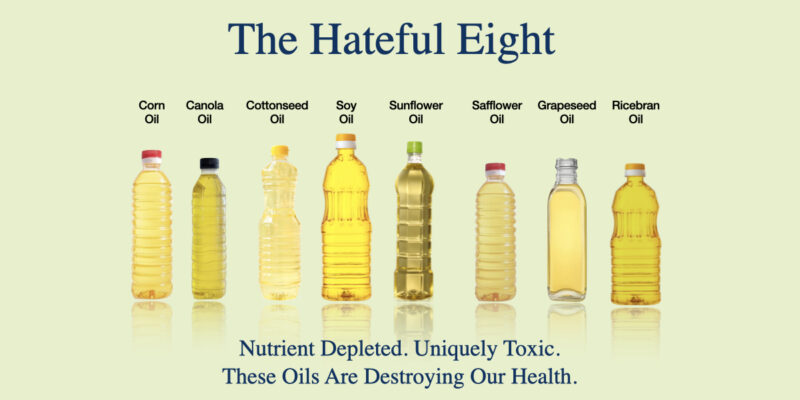
What are the Hateful 8 seed oils?
The Hateful 8 seed oils are:
This article is continued below...(scroll down)


It helped. I feel great.
"It’s helped. I feel great."
Kobe Bryant
NBA baskeball player

This has been life changing
"Let me tell you this has been life-changing. I have all of her books, in audible and ebooks! I have gotten rid of all the hateful 8 oils. I have trained my body to eat its own previously toxic body fat. Download that pod it's a game changer!"
Megyn Kelly
Broadcaster / The Megyn Kelly Show

Life changing
Deep Nutrition changed my life.
Jesse Watters
Fox News Primetime host
Saved my life
I would like to thank you for literally saving my life. Back in February, I had to be hospitalized while on vacation in Phoenix with an A1C of 11% and had to start taking 2 types of insulin and 2 other meds. I read the Fatburn Fix in April, and followed the program to a tee, and I’m down by 15 pounds, 6.8 A1C, and only one once weekly diabetes medicine. Prior to reading the book, it was almost impossible for me to lose weight as a diabetic.
Leontyne Tompkins
I feel free
For the last month, I have really been reading all labels on everything. I have completely remove those 8 oils you talk about. I must tell you, I feel great! I have more energy and I am now 197 lbs (have always been around 205 to 210lbs). I eat potatoes with real butter, grass fed steak, pasta with the right toppings. I eat everything! I seem to crave less sugar. I love it!
Robert Kirkendall
I feel so much better
I had terrible aches and pains everywhere in my body, my hands, shoulders and knees. I feel so much better and the way I feel is motivating me every day! Thank you
Mike Deb Wootan Burcin
Better than ever
I am an anesthesiologist in Orlando and a huge fan of both of your books! I have been incorporating your principles for the last 10 months and feel that my health is better than ever.
Marnie Robinson, MD
My allergies disappeared
The biggest difference for me (and a surprising one) is that my allergies have almost completely disappeared! This is a big deal for me, because I’ve had allergies most of my life and they have often affected what I do which is a teaching music in [a public school district]. In general, I feel much better and have more consistent energy throughout the day.
Erica Turrell
Heart Palpitations have Stopped
I’ve lost 20+ pounds (also fasting 16-24 hours daily) and haven’t had palpitations except for one occasion — I had a mini bag of Fritos for the first time in July. And, I feel better now on a daily basis than I ever did all through college.
Mike Wright
Deep Nutrition and Fatburn Fix reader

I’ve lost over 50 pounds
I’ve lost over 50 pounds. I’m 56 years old. Cutting processed food and unhealthy fats from my diet was one of the first things I did on my health recovery journey...I went cold turkey off the bad oils. Emptied my pantry into the trash and just started eating real food
Mitzi Wilkinson Champion
Knowledge I didn’t know I needed
Your Fatburn Fix book is amazing, my friend. Thank you! I’m an Functional Nutritional Therapy Practitioner and I know my stuff. This is the extra layer of knowledge I didn’t know I needed. Well done!
Jennifer Dillman
Fatburn Fix reader
Lost a solid 20 lbs and my bloodwork is great
I have lost a solid 20 lbs and my bloodwork (after 3 months of eating your way) was even better! I was metabolically healthy (per your book) before I read your book, but barely. Lowering my weight, sealed the deal! I have been talking about you and your book to anyone who will listen...Thank you for all you’ve done and what you continue to do! You are changing lives for the better!
Missy Cramer
FatBurn Fix reader
Lost 20 lbs I could never shed
I love your Fatburn Fix! Has helped me so so much! I have had the dreaded weight all my life - 20 or so pounds I could never shed. I have lost that now. I only eat 2 meals a day lunch and dinner with a glass of milk or cappuccino around 4 to hold me over. No snacking and not bad oils. It has been the key to unlocking my fatburn. I work out in the am and believe I am burning fat for energy not from food!
Lauren Smith
I feel great
My waist is four inches smaller. I feel great and many of the minor aches and pains that I had (knees and lower back) are gone. Also, my muscle tone is amazing, even though I have not increased my workout routine.
Richard Janelle
Completed Dr Cate's online course

The go-to for strength and conditioning coaches
Whenever I advise my clients about eating to perform I go straight to what I have learned from Dr. Cate. Her book Deep Nutrition has become the go-to for strength and conditioning coaches across the country.
Kent Matthes
Major League Baseball Agent with WME Sports

Dismantles the lie
Dr. Cate dismantles the lie that seed oils are healthy, which may the biggest lie about nutrition and health because it’s so insidious.
Ken D Berry, MD
Author of Lies My Doctor Told Me

She knows the chemistry
Dr. Cate alerts us to the harms of seed oils and she’s convincing because she knows the chemistry better than anyone.
Dr. Drew Pinskey, MD
Globally recognized internal medicine and addiction medicine specialist, media personality, LoveLine Host, and New York Times bestselling author

No one is better at communicating nutritional truth
Dr. Cate has had the single greatest impact on how we talk to people about fueling for both performance or durability. While we all are a little unique, the foundational principles of human nutrition are immutable. If you are looking to create a more durable, resilient body, no one is better at communicating nutritional truth than Dr. Cate.
Dr. Kelly Starrett
Physiotherapist coach and New York Times and Wall Street Journal bestselling author

Highly recommend The Fatburn Fix
Dr. Shanahan has had a significant impact on my practice of medicine. I am known as a Low Carb Doctor, but I never really appreciated the negative effects of processed seed oils on the health of my patients. I highly recommend The Fatburn Fix to my patients and have a loaner copy in my waiting room. It is amazing how quickly blood sugars and overall health improves with cutting seed oils. It is not just about the carbs!
Dr. Brian Lenkzes, MD
CEO of LowCarbMD San Diego, co-host of Low Carb MD Podcast and host of Life's Best Medicine Podcast

Respected in the sports world
Dr. Cate reordered my diet when I was with the L.A. Lakers, and the benefits, for me personally, were felt immediately and have served me to this day. I’ve come to take real food so seriously I started a small family farm. I know of no M.D./nutritionist more respected in the sports world than Dr. Cate Shanahan.
Chris Kaman
NBA Player

Brought seed oil issue front and center
Cate brought the seed oil issue front and center. Healthy fats matter. So much so that I created an entire product line to swap out bad fats with good.
Mark Sisson
Founding Father of the Primal/Paleo Movement

Optimal health starts with food
If you want to understand how optimal health starts with food, start with Dr. Cate. Her book Deep Nutrition leaves you with an appreciation of the profound relationship between our genes and the planet, inspiring us to be good shepherds of both.
Dallas Hartwig
Attribution author of The Whole 30

Helped me with endurance
Deep Nutrition really helped me with endurance. I started to feel better as a player. I was able to run more, I was able to be more active …and I just decided to keep going with it to this day.
Dwight Howard
NBA Player

Silver bullet for me
Dr Cate’s teachings helped me lose 60 pounds like it was nothing. It was like a silver bullet for me.
Paul Grewal, MD
Dr Grewal Internal Medicine, MD, author of Genius Foods

Radically improve your health…
Dr. Shanahan has provided a solid reference that deserves a place in the library of anyone who is seriously interested in nutrition. Her perspective on the vital role that healthy fat has in our diet is novel and, if implemented, can radically improve your health.
Dr. Joseph Mercola
Author of Fat for Fuel and Founder of Mercola.com

Pull up a chair…
I have based my work on the idea that getting the right kinds of healthy fats into your body and avoiding the worst fats is essential to optimal health. I've interviewed dozens of the world's top experts about this, and I know of no one who speaks more eloquently on this topic than Dr Cate. If she’s talking fats, pull up a chair. Take notes.
Dave Asprey
Author of the Bulletproof Diet
The key to unlocking my fatburn
I love your Fatburn Fix! Has helped me so so much! I have had the dreaded weight all my life - 20 or so pounds I could never shed. I have lost that now. I only eat 2 meals a day lunch and dinner with a glass of milk or cappuccino around 4 to hold me over. No snacking and not bad oils. It has been the key to unlocking my fatburn.
Lauren Smith
Saved my life
I would like to thank you for literally saving my life. Back in February, I had to be hospitalized while on vacation in Phoenix with an A1C of 11% and had to start taking 2 types of insulin and 2 other meds. I read the Fatburn Fix in April, and followed the program to a tee, and I’m down by 15 pounds, 6.8 A1C, and only one once weekly diabetes medicine.
Leontyne Tompkins
> Tears of joy
I'm crying tears of joy and appreciation for all you've done for me and my health! Without Deep Nutrition and Fatburn Fix, I would literally still be in the vicious cycle I'd been fighting all my life! In a nutshell - I am no longer a compulsive overeating addict suffering under the crushing 'thumb' of all food and alcohol.
Penni Wicks
- Corn oil
- Canola oil
- Cottonseed oil
- Soy or soybean oil
- Sunflower oil
- Safflower oil
- Grapeseed oil
- Rice bran oil
I needed to coin this term because the term “seed oil” is not specific enough to identify the problematic oils. Not all seed oils are problematic. These are.
Why are seed oils bad?
Unlike any other food we eat, the Hateful Eight oils are made from edible food that we render toxic because of how we process it. Seed oil is not edible after extraction. Making it safe for consumption requires extensive chemical refining.
Refining removes waxes, gums, and pigments as well as some of the toxins. It also removes nutrients, antioxidants, and starts the process of PUFA oxidation. PUFA = polyunsaturated fatty acid. Oxidation means reacting with oxygen (ie burning). Oxidation can break big molecules into small ones (think turning wood into smoke). When oxygen reacts with PUFA, it forms products called lipid oxidation products (LOPs). Some of these are really toxic, especially the category called alpha beta unsaturated aldehydes. Research has shown that as the bottles exit the factory, they already contain a multitude of toxic LOPs, although in small amounts. Over time, the toxins multiply. Cooking with them generates more toxins. Most foods containing seed oils have been heated at least once, and very few ave been tested for toxins. French Fries have been tested, and one serving of fries contains about as much toxic aldehyde as a pack of cigarettes.
What happens when you eat seed oils?
The dose makes the poison. The more you eat, the worse your health. Just like smoking cigarettes. And just as cigarette smoke may cause different diseases, the same with seed oils. It all comes down to oxidation, just like smoking. The toxins in cigarette smoke and in seed oils can promote oxidation in your body, and oxidation promotes more toxin formation. Toxins attack your cellular structures, disrupting basic functions like energy production, reproduction, hormone response, DNA replication, and literally everything cells need to do. Oxidation also causes oxidative stress, which is the root metabolic disruption associated with every disease process. Very few studies have directly tested seed oils versus butter in humans, but this study did and showed oxidative stress after just a few weeks.
The statements in this paragraph are supported by research done by many people, including these two giants:
Why does research seem to say seed oils are not inflammatory?
It depends on what research you look at. When a dietitian says “the evidence” shows that these oils are not inflammatory, they’re talking about an entirely different type of evidence than I am.
The literature I’ve drawn from is clear: these oils contain fatty acids that tend to form toxins that can seriously harm us. My hypothesis is that eating them promotes oxidative stress, which causes metabolic disruption, inflammation, and accelerates aging.
However, the clinical nutrition literature does not engage with the more technical chemical literature that I’ve drawn from. Nor have they engaged with my hypothesis, as stated above.
The clinical nutrition literature has primarily tested a different, much more limited hypothesis. That hypothesis doesn’t consider the whole oil. Rather, it focuses only on linoleic acid, the main PUFA fatty acid in seed oils. This hypothesis supposes seed oils might promote inflammation because the body can convert some of that PUFA to molecules called eicosanoids that play a role in the inflammatory response. Since the body can control how much linoleic acid gets converted into a pro-inflammatory compound, I don’t subscrribe to this hypothesis. Also, the hypothesis has been tested and somewhat disproven. If it were true, then not only would seed oils be bad for our health, so would anything with “too much” linoleic acid (whatever that amount is…and we don’t know).
Are all seed oils unhealthy?
Not all seed oils are bad, it depends on the processing and the fatty acid composition. For example, peanut oil can be healthy when unrefined and even when refined is still OK. (See the full list of good and bad fats here.)
Are seed oils in skin care products also bad?
Grape seed oil is commonly used in skincare products, as are other members of the Hateful Eight. In spite of the fact that eating these oils is terrible for our health, topical application is another story. These oils are minimally absorbed through the barrier of our skin, if at all. Thus, the Hateful Eight seed oils do not pose meaningful safety risks when used on the skin.
Two main reasons.
One, the money. The AHA was a small underfunded professional society until 1948 when Procter & Gamble, makers of Crisco, donated $1.7 million. Ever since then, the AHA has promoted polyunsaturated fat as healthy.
Two, they claim to have science backing them up. They do not. All of their studies are flawed in one way or another. I discuss an in-depth example in the video linked to above also. It takes a lot of training and detective work to recognize these flaws, and most doctors are way too busy for all of that. So most doctors are going to go along with Harvard and the other health authorities’ recommendations. This is truly tragic.
For more info on how we’ve been fooled about cholesterol, visit this page.
What seed oils I should avoid?
The Hateful 8, listed above.
Other seed oils sold as supplements, like hemp, flax, and black seed oil, just to name a few, are not as toxic. However, their value as supplements is highly questionable.
For a handy list of good fats and bad that you can print out, click here: List of good fats and oils versus bad fats and oils.
What is a vegetable oil?
Vegetable oil is a term for any plant-based fat. It includes the hateful 8 seed oils and in addition, it technically includes healthy fats like olive, avocado, coconut, palm, and peanut.
However, when you see the term “vegetable oil” on the ingredients label it almost never means olive oil or avocado oil. And the ingredients list usually specifies exactly which vegetable oils they might be adding so you don’t have to guess.
What is the difference between vegetable oil and seed oil?
Vegetable oil is the broader term. Seed oil is a subset of vegetable oil.
I’ve used the terms interchangeably in the past because for the most part when you’re looking at ingredients you’re going to find mostly the Hateful 8 seed oils listed after the term “vegetable oil” rather than olive oil or avocado.
When I wrote Deep Nutrition, coconut and palm were not in wide use. So that’s why I used the term Vegetable oil instead of seed oil. However, now coconut and palm are in wider use and those are not seed oils because they come from the fruit of the plant, not the seed. They are vegetable oils.
I’m now using the term seed oil more often than the term vegetable oil, which I used in the past, because of the increased use of palm and coconut in the food supply and it is technically more correct.
Is vegetable oil considered a seed oil and is it bad for you?
If you see “vegetable oil” on an ingredients list, it’s followed by “May contain one or more of the following” and then a list of two or more oils. If that list includes one of the hateful 8, then avoid it. On the other hand, if the list includes only palm or coconut, it’s ok.
Which cooking oils are good for your health?
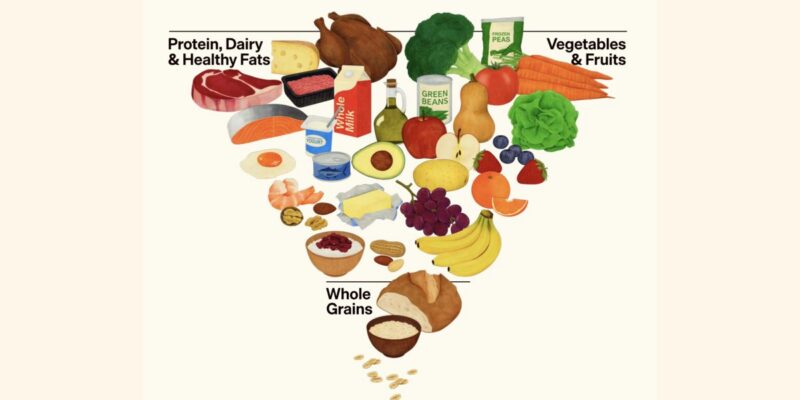
I advocate the use of traditional vegetable and animal fats in cooking. The most common and familiar are butter, olive, and peanut. The page List of good fats and oils versus bad gives you more info on why these fats are good.
Other good fats and oils for cooking are listed here:
- Almond oil (very expensive)
- Avocado oil (very trendy)
- Bacon fat (save after making bacon)
- Butter (my fave)
- Duck fat (hard to find)
- Ghee (clarified butter, traditionally used in India)
- Lard (pig fat)
- Olive oil (best if unrefined)
- Macadamia nut oil (very expensive)
- Peanut oil (best if unrefined)
- Tallow (beef fat)
- Seasame/Toasted sesame oil (see note below)
These should not be exposed to high heat for long periods:
- Flax oil (mostly a supplement and not a popular culinary oil anyway)
- Sesame oil
- Fatty fish (obviously not an oil but it’s important to know that overcooking fish can destroy the fragile omega-3)
- Artisanal grapeseed oil
- Seeds (healthiest when ‘activated’ by soaking and dehydration and you can find brands that do that on my shopping list, or when consumed raw)
- Walnuts (very high in fragile omega-3, healthiest when raw)
You can cook with sesame oil or toasted sesame oil, but it is better if combined with peanut oil or other more stable fat.
What seed oils should I avoid and not cook with?
Avoid all the seed oils and bad fats on this list:
- Corn oil
- Canola oil
- Cottonseed oil
- Soy oil
- Sunflower oil
- Safflower oil
- Grapeseed oil
- Ricebran oil
- Hydrogenated oil of any kind
- Vegetable oil (A generic term for plant based oils so technically it includes olive and coconut, which are fine, but when used on an ingredients list it’s never yet in my experience been olive or coconut. It’s been one of the Hateful 8)
- Margarine
- Fake butter spreads
- Low cholesterol spreads
Also: Do not cook with flax oil, walnut oil, or fish oil.
A note about margarine: Before the 2018 trans fat ban, it had been made from the Hateful 8 seed oils that were been hardened by an additional processing step called hydrogenation. It’s now mostly made with liquid hateful 8 oils blended with solid fats like coconut or palm.
Can I cook with other oils that are refined?
Only a few refined oils are ok to cook with. They have to be very heat stable.
The following oils are very heat stable compared to the hateful 8 seed oils, and can be used for cooking. But they are not as healthy as the fats and oils on good oils list above because they are refined. Refining removes most of the vitamins and minerals. If you can afford the good fats and oils, I recommend you buy and cook with those instead.
- Refined avocado oil
- Refined coconut oil
- Refined Palm oil (Refined palm oil is a bit of a moving target these days, since the refining processes are not standardized and some factories will generate toxins. It’s best to avoid it if you can but if you have no choice its better than the Hateful 8)
- Refined peanut oil (Refined peanut oil is better than the Hateful 8, but more likely than the top two refined oils listed here to have toxins.)
Should I not consume fish oil?
First off, don’t cook with fish oil, but you could in theory consume it as a supplement.
The sad truth is that most fish oil supplements are actually bad for you. Multiple studies show that fish oil supplements are loaded with toxins because of the refining process. However, if you choose wisely, you can supplement with fish oil. Here is my in-depth analysis of supplementing with fish oil.
Why is sesame seed oil on your list of good fats?
Sesame oil is high PUFA, so why is it ok? The reason is history. Sesame oil has been bred for centuries to increase its oil yield. Due to these many centuries of breeding, manufacturers can extract enough oil to be profitable without needing to use harsh methods that destroy the nutrients.
You can cook with sesame oil or toasted sesame oil, but mix it with peanut oil or another more stable fat for best results.
What about hemp oil and black seed oil?
These oils are primarily sold as supplements and are not intended for culinary uses. Hemp is not very tasty and I would not recommend it as culinary oil for that reason alone, and it’s not heat-stable. The same goes for black seed oil. I would not recommend supplementing with either. See my list of recommended supplements here. If you do check it out, you’ll notice it’s minimal. There’s a reason for that! Most supplements are a waste of money, and some are potentially harmful.
Do seeds cause disease?
Seeds are healthy. The seed structure prevents oxygen entry, and nature puts antioxidants in the seed to protect the PUFA.
The problems with seed oils begin when factories process these high PUFA oils. During processing, the unstable PUFAs deteriorate into toxic compounds. Refining removes many but generates new ones. Cooking, especially frying, causes more deterioration and toxin development.
However, PUFAs can also build up in your body fat. More than 10 % PUFA body fat seems to be associated with obesity and metabolic disease of all kinds. It’s actually hard to tell because this level of consumption usually involves eating hateful 8 oils.
Is canola oil bad for you?
Canola is definitely bad for you. The claim that canola oil (a rapeseed cultivar developed in the early 1970s) is “heart-healthy” is untrue. It’s based on the idea that because it has more omega-3 PUFA and less omega-6 PUFA that it’s somehow superior. This comes from an outdated notion of essential fatty acid ‘balance.’ But the reality is all PUFA is unstable and should not be refined or used for cooking. Read more about canola oil.
Is coconut oil bad for you?
No, it is considered a good oil that is healthy to consume as long as it is not refined. Coconut is full of saturated fats, which are very stable and resist oxidation.
Is palm oil bad for you?
I consider palm oil a healthy fat as long as it is not refined. Unfortunately, most manufacturers refine palm oil, and most ready-to-eat foods use refined palm oil. Details of refining can make palm oil potentially toxic, but most likely less toxic than the Hateful 8 seed oils. So I consider refined palm oil “OK” but not great.
Is olive oil considered a bad seed oil?
No. It’s not actually a seed oil. Olives are a fruit and the oil comes from pressing the olive fruit itself, not the olive seed. Olive oil would be considered a vegetable oil.
Is peanut oil considered a bad seed oil?
Peanut oil is one of the seed oils that I put on my good fats list. This is due to the fact that, as with sesame, you can extract peanut oil without damaging the nutrients. This is a byproduct of the thousands of years of human selection for more and more oily peanuts that produce a longer-lasting oil.
Mother Nature’s genius solved the oxidation and rancidity issues that other seeds have. And these biological innovations, which humans select for based on taste, mean these particular seeds do not oxidize or become toxic.
But avoid refined peanut oil or try to limit it in your diet.
Is avocado oil considered a bad seed oil?
No. Avocado oil is actually not a seed oil, either. Like olive, the oil comes from the avocado fruit, not the seed. As with olive oil, avocado oil is produced by pressing the avocado fruit surrounding the avocado pit.
What about soy oil? Is it bad?
Avoid soy oil.
Soy oil is in a lot of processed foods so it is hard to avoid but look for it in ingredients lists on food packaging. Soy oil has been found to cause liver damage and possibly fatty liver. Read more about soy oil here.
What does hydrogenated oil mean?
Fat hydrogenation is the chemical process of combining fat — typically seed oils or vegetable oils — with hydrogen, to make the oil more saturated. This is what is called hydrogenated oil. The process results in solid or semi-solid fats such as those in margarine. The process is typically carried out at very high pressure, with the help of a nickel catalyst that is removed from the final product. (See more in this Wikipedia article)
Any oil that says it is hydrogenated should be avoided. That is because it’s going to start with refined oil and further processed to create trans fats.
What about expeller-pressed oils?
Don’t be fooled if a vegetable oil label says “expeller-pressed”, it just means that the manufacturer didn’t use solvents to maximize oil extraction from the source vegetable material. Expeller-pressed oils are not healthy oils. Even organic expeller-pressed oil has gone through all the usual hazardous steps in the process of being refined. Read more on this topic.
Is high-oleic sunflower oil better and should I eat it?
High-oleic sunflower oil is better than most seed oils, but ultimately not good for your health and should be avoided. The same applies to all “high-oleic” seed oils including soy oil, canola oil, and safflower oil.
Why are other refined oils not as bad as the Hateful Eight?
Refined coconut oil, palm oil, avocado, and olive oil contain mostly saturated and monounsaturated fatty acids, which are not so fragile. They are easily extracted at lower temperatures. They also all happen to be fruits.
Refined peanut oil is the sole exception to the fruit rule. Even though peanut oil is technically a seed oil and is relatively high PUFA, thanks to the many thousands of years of human selection, the other factors that turn soy and canola toxic during refining are reduced.
What about eating corn or soybeans or sunflower seeds?
Unprocessed foods that are made into seed oils are not toxic. You can eat corn, soy, sunflowers seeds, and the associated foods that are made into seed oils without any health concerns that are associated with the refined seed oil end products.
Why are some refined vegetable oils and seed oils toxic?
The vegetable oils/seed oils that I have identified as unhealthy on my Hateful 8 list all contain a high percentage of polyunsaturated fatty acids (PUFAs). PUFAs are unstable and break down rapidly when exposed to chemical stress. Ever heard of varnish? It’s what carpenters use to finish wood. It is made from vegetable oils, including soy oil and linseed oil (which is rich in omega-3, like canola oil). These oils are chiefly composed of PUFAs which react with oxygen in the air to help polymerize the varnish into a nice hard coating that helps preserve the wood. Varnish is good for your floors but not good for your brain, arteries, or mitochondria. Read more here and in my book Deep Nutrition (see Chapter 7 and 8).
Why is grapeseed oil bad?
Some people are confused about grapeseed oil because they think of grapes as fruit and I’ve said that the healthy plant-based oils are mostly from fruits, including coconut, olive, and avocado.
I’ve said that as a way of trying to avoid the chemistry, which is the real issue. It’s really not that they came from a fruit that makes them healthy. It’s the chemistry.
The real issue is that all the Hateful 8 oils, including grapeseed oil, are chemically composed of a lot of very unstable fats and that’s why they are unhealthy. The healthy oils that tend to come from the fruit itself, not the seed of the fruit, are chemically composed of a lot of more stable fats.
Either way, grapeseed oil is extracted from the seed of the grape. And it’s the chemistry of grapeseeds (the fatty acid profile) that makes refined grapeseed oil unhealthy.
What foods contain seed oils?
Most processed foods and many fried restaurant foods contain seed oils such as canola oil, sunflower oil, and soy oil. Seed oils are also widely used in commercial salad dressing products, mayo, and canned fish. If you look at the ingredients in most prepared and convenience foods sold in grocery stores you are more than likely to see one of the hateful eight seed oils listed as an ingredient, even in so-called health foods and packaged products marked as “organic”.
Do you recommend a seed oil-free shopping list?
Yes, my seed oil-free shopping list, which I also call PUFA free health shopping list is available on my website. To access it, click here.
What are seed oil-free restaurants I can go to?
The community of people avoiding seed oils is growing every day. One young chap recently started a website to help folks wanting to avoid seed oils while dishing out hard-earned money at restaurants. Here’s the fledgling website he created for us: https://seedoilfreerestaurants.com/about
What is the connection between PUFAs or polyunsaturated fatty acids and seed oils?
Seed oils are high in PUFA. Butter and olive oil are not as high in PUFA but do contain some. We need to eat a little bit of PUFA, maybe 2-5% of our dietary calorie intake could be pure PUFA from foods and healthy fats and oils, and we’d be fine. Today we eat much more than that, and its mostly coming from the Hateful 8 seed oils.
Other common questions and where to find answers:
Where can I find Mayo: Read more here
SMOKE POINT: Read more here.
Can you really cook with olive oil? (Related to SMOKE POINT) Read more here.
Substitutions? Read more here
Is lecithin bad? Read more here.
What healthy oil has a neutral flavor? Read more here.
Other FAQs are answered for you here.

Related Posts


This Post Has 0 Comments
Note: Please do not share personal information with a medical question in our comment section. Comments containing this content will be deleted due to HIPAA regulations.