Seed Oil FAQs
All the answers to your health questions about how seed oils are harmful to your health. And which vegetable oils and fats are good and which are bad.
Articles about specific foods.
All the answers to your health questions about how seed oils are harmful to your health. And which vegetable oils and fats are good and which are bad.
Cold-Pressed Sunflower Oil: Healthy or Hateful Eight? I get more questions about cold-pressed sunflower oil than I do about any other type of seed oil. It’s a good question—and I’ve not seen any article on the subject answer it correctly. So it’s high time I give you the answers you deserve. Here’s the TLDR: Cold-pressed sunflower oil can be ok—if it’s NOT refined. But it’s not okay for cooking. Worse, the label may not tell you about refining. While being cold-pressed is a good sign, it’s not the only factor to consider. The other factor to consider is refining; in…
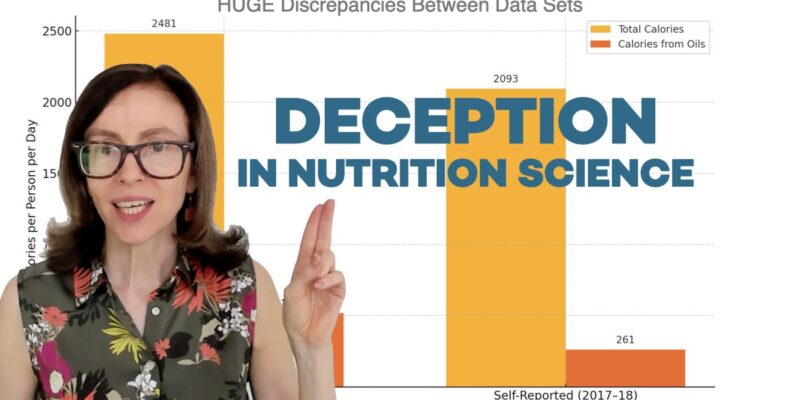
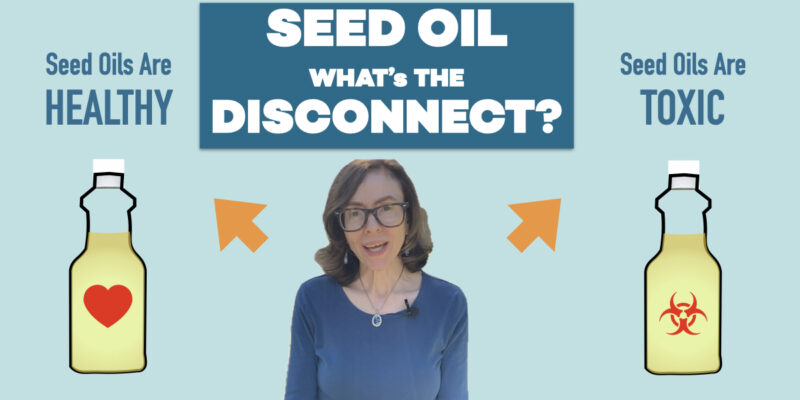
Most nutrition experts claim that the majority of evidence shows seed oils are healthy. But that evidence is not real. Most nutrition experts overlook, or make excuses for, the selective use of flawed, self-reported dietary data that makes seed oils appear beneficial.
New study examines how different fats affect fat cells. Reporters and scientists hide the data on seed oil harms. I’m often asked, “If seed oils are so harmful, why aren’t there more studies?” The truth is, there are more studies. The problem isn’t a lack of evidence. It’s how that evidence gets distorted. Study authors, universities, and media outlets seem to work together to downplay the risks, putting a spin on the results that makes seed oils look harmless, or even healthy. This article is a perfect example of how that happens. A new study is making headlines for suggesting…
Introduction: Clearing Up Confusion About Omega-6 Linoleic Acid in Seed Oils Seed oil causes inflammation, but not for the reasons most people talk about. This matters because we need to identify the real health enemy. If we don’t get that right, everything else falls apart. You might have heard that seed oils, like soybean or corn oil, are inflammatory because of a fat called omega-6. You may also have heard that seed oils’ omega-6 causes health problems like diabetes or heart trouble. That’s a myth we need to bust! Omega-6 isn’t the real villain. The real problem is Oxidation The…
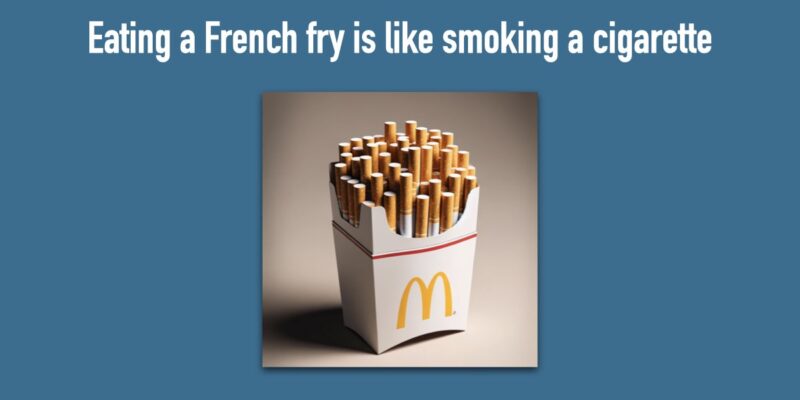
French fries are a beloved indulgence, but the toxic seed oils used to fry them can transform this treat into a health hazard. You may have seen this photo of cigarettes in a French fry cup before. It’s an AI-generated image. But it’s not just a made-up meme. It started circulating shortly after I was interviewed for this movie. During the interview, I made the rather shocking comparison between cigarettes and French fries. That comes from a study called: Toxic Lipid Oxidation Product (LOP) Generation in Culinary Frying Oils (CFOs) During High-Temperature Frying Practices: Passage into Fried Foods. In it,…
Why Seed Oils Are the Biggest Threat to Your Health Seed oils, also known as vegetable oils, or more precisely as The Hateful Eight, are not benign. To best understand why seed oils are harmful, we need to understand a biological process called oxidative stress. Oxidative stress: the great disease promoter. Understanding oxidative stress is crucial if you’re interested in health or nutrition science. I have spent over two decades researching various diets and their ability to prevent or promote oxidative stress. Oxidative stress is the root cellular process driving all known diseases. It occurs when free radicals—unstable molecules—overwhelm the…
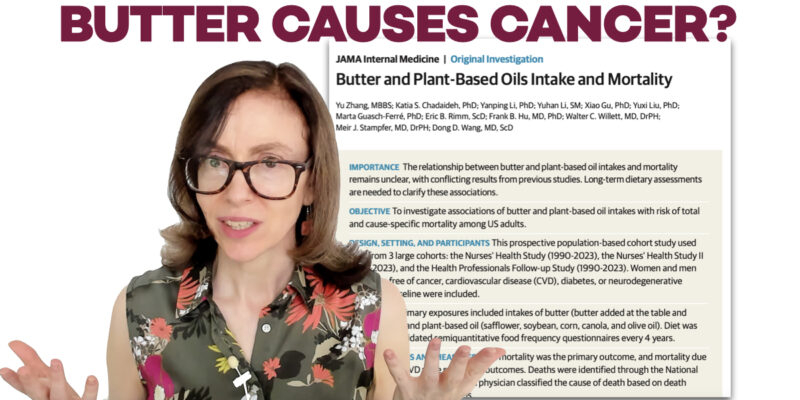
JAMA Internal Medicine published the first-ever study comparing butter to seed oils. But they skewed the data to the point of absurdity. Time and again, I’ve seen supposedly peer-reviewed studies making conclusions that defy common sense. Especially seed oil studies. This latest journal is one of the worst examples I’ve come across. I’m going to break down what they did and how they got away with it in this article. Their paper is especially important. It’s the first, to my knowledge, to compare seed oils head to head with butter. More than 70 years have passed since health authorities started…
Hangry is not normal hunger. Normal hunger is usually brought about by smelling food. It’s also common to feel normal hunger around our normal mealtimes because our digestive system has its own internal clock that keeps excellent track of time. (This is why your dog or cat always seems to know when it’s dinner o’clock.) Ordinary hunger does not make us angry or irritable. And unless we’ve gone for days without eating, normal hunger is a light stomach-grumbling sensation that goes away when we ignore it. Hypoglycemia makes us hangry. Hangry on on the other hand is hard to ignore.…
Fellow members of the keto community, keto dieters everywhere, we need to talk. I want to convince you that any amount of seed oils is way worse than small amounts of sugar. Ketones are not the miracle cure for all that ails us. A healthy metabolism is. The only reason we can’t see this is because we’ve been lied to about fats. Seed oils destroy our metabolism. Sugar doesn’t. AFTER seed oils make us sick and insulin resistant THEN sugar can potentially become toxic to us. But because of HOW seed oils harm our body fat and mitochondria, cutting carbs…
If you’re a health professional you should know that you can’t implicitly trust medical news outlets. They may be manipulating you!
Olive Oil has a Low Smoke Point. Can you still cook with it? We’ve all heard a thousand times high smoke point oils like soy and canola are the oils of choice for cooking–especially high-heat cooking. This is a particular concern for professional chefs who typically cook with temperatures far higher than those used by a home cook. If the oils aren’t smoking that must mean, the thinking goes, that they are chemically stable. No smoke, no free radicals, no toxins. No problems. But I want you to set aside, for a moment, everything you’ve been told about smoke point…
Since avoiding seed oils has become a trend, the newest trend debunks the idea that we need to avoid them. This post debunks the debunkers.
You might think salt makes you bloated. It’s actually something else. We hear all the time that salt is bad for us. So my patients who notice swelling or bloating after eating salty junk food naturally assume salt caused their symptoms. But of all the ingredients in junk food, salt is the least likely to cause health problems. I grew up surrounded by messaging that salt was bad but I was always skeptical. Probably because my dad, a doctor, always snatched up the shaker and doused his food in salt before even tasting it. He’s done that his whole life,…
Did you know that the cut off for “high” cholesterol used to be nearly twice as high as it is today? The number considered low enough has had to shift downward multiple times. Cholesterol-lowering “targets” are lower today than ever before. And lately, heart attacks are increasing.
Breeding low fat animals has altered muscle metabolism, and contributed to flavorless meat for reasons that go way beyond the lack of fat.
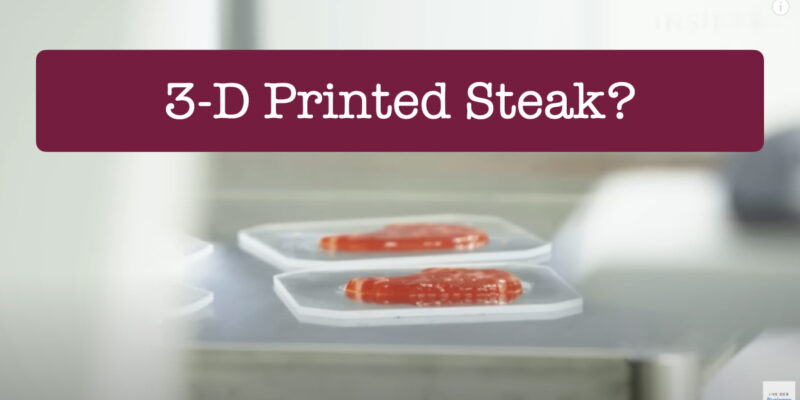
Synthetic meat producers claim nutritional, ethical, and environmental benefits. The media often repeats the claims. Are they misleading us?
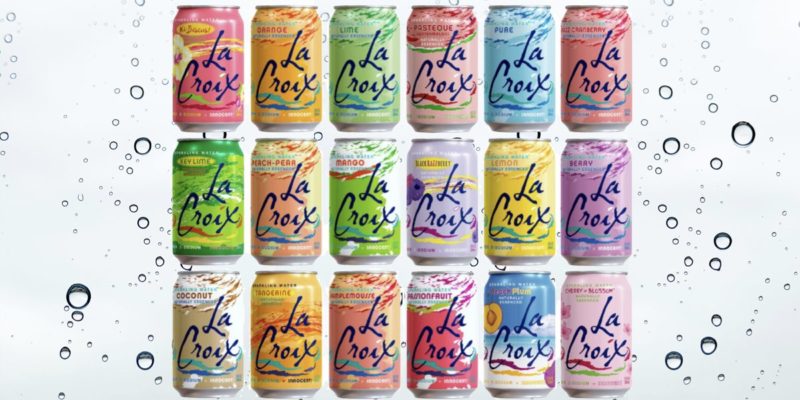
Do you feel weird after drinking flavored sparkling water on an empty stomach? Find out about the new leeway the natural flavor industry has to add drug-like compounds to our drinks. I’ll focus on a natural flavor called linalool.