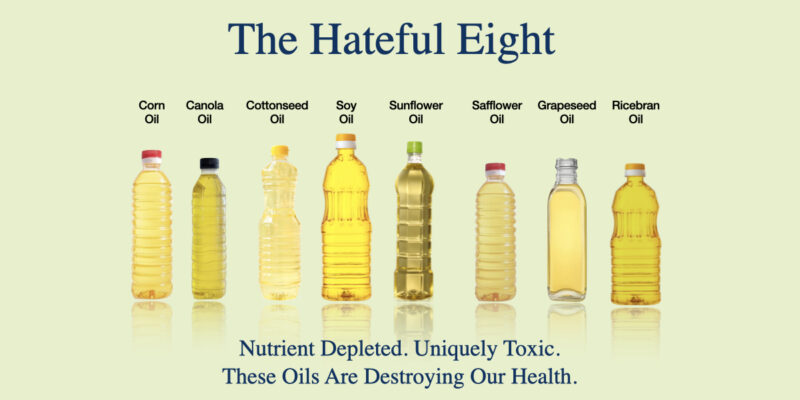
Seed Oil FAQs: What They Are, Why They’re Harmful, and Which Ones to Avoid
All the answers to your health questions about how seed oils are harmful to your health. And which vegetable oils and fats are good and which are bad.

All the answers to your health questions about how seed oils are harmful to your health. And which vegetable oils and fats are good and which are bad.

Olive Oil has a Low Smoke Point. Can you still cook with it? We’ve all heard a thousand times high smoke point oils like soy and canola are the oils of choice for cooking–especially high-heat cooking. This is a particular concern for professional chefs who typically cook with temperatures far higher than those used by a home cook. If the oils aren’t smoking that must mean, the thinking goes, that they are chemically stable. No smoke, no free radicals, no toxins. No problems. But I want you to set aside, for a moment, everything you’ve been told about smoke point…
All the answers to your health questions about how seed oils are harmful to your health. And which vegetable oils and fats are good and which are bad.
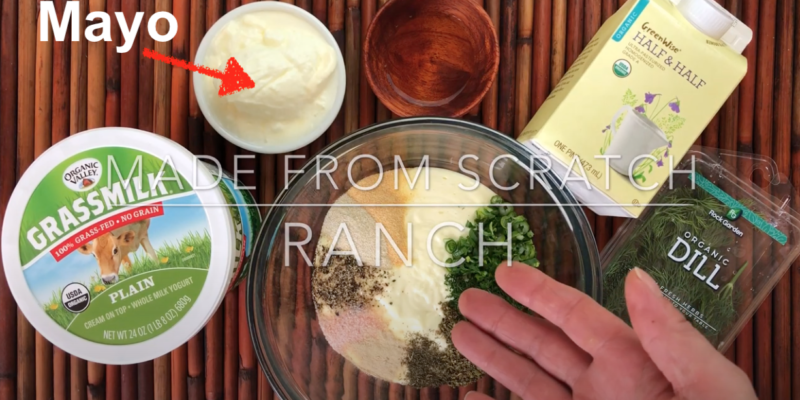
Unknown to most mayo lovers, the mayo in the store is a metabolism-breaking fat bomb, greased up with highly toxic seed oils.

List of Seed Oil-Free Products & Other Healthy Foods by Category Many people who are trying to avoid seed oils ask the same question: what foods are actually seed-oil free? Grocery stores are full of confusing labels, and seed oils now appear in many packaged foods where people don’t expect them. The good news is that most whole foods are naturally seed-oil free. The challenge is knowing which processed foods to avoid and which everyday foods you can buy with confidence. This seed oil-free shopping list includes both naturally seed-oil-free foods and common grocery items people often ask about, organized…
The whole concept of smoke point may have been created by the edible oil industry to sell us their cheap, flavorless and (now we know) unfortunately quite toxic products.
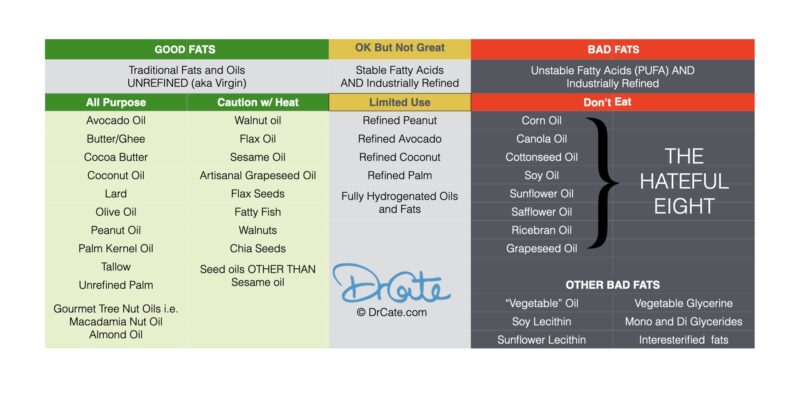
This page was created to serve as a resource listing good fats and oils versus bad fats and oils. The goal is to serve as a clearinghouse for discussions around why a given fat or oil is good or bad for human health, and to include recommendations for the healthiest cooking practices.
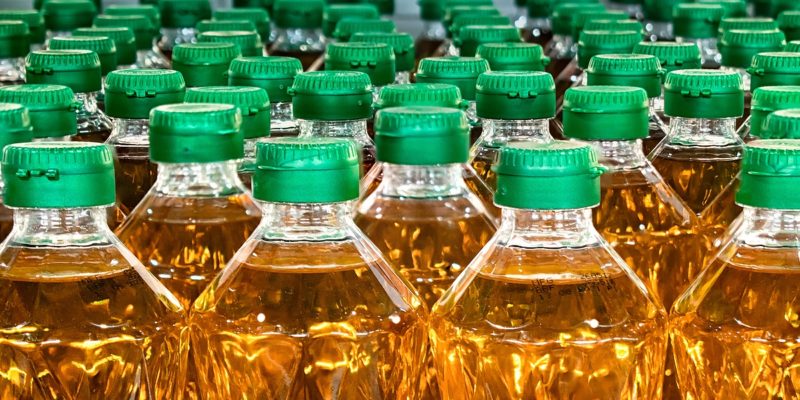
Canola oil can constitute up to 1/3 of the calories in even a high-end restaurant meal, making your $50 plate a health hazard. Luke and I are on a campaign to get this trans-fat containing “neutral” oil out of restaurants. Take back the tables! Wouldn’t you love it if there were restaurants where people who care about their health could dine with confidence?
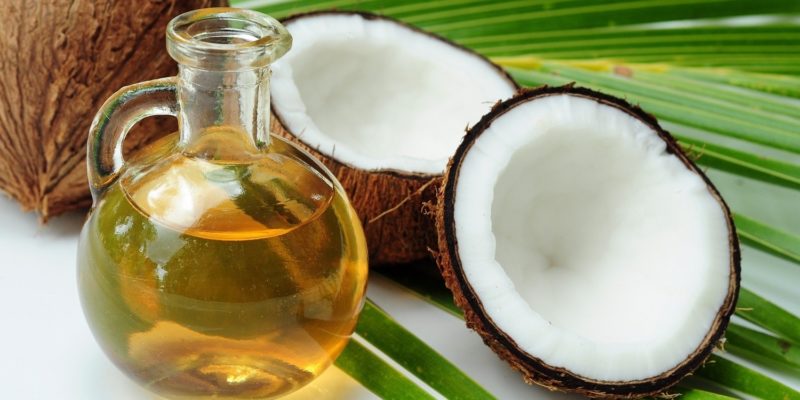
My latest post on coconut oil can help you determine if you should add coconut to you diet for weight loss, thyroid health, or other metabolism-optimizing purposes.

If your switch from fries to salads hasn’t helped you, it’s because you are pouring deadly trans fat onto those crispy, vitamin-rich greens.
