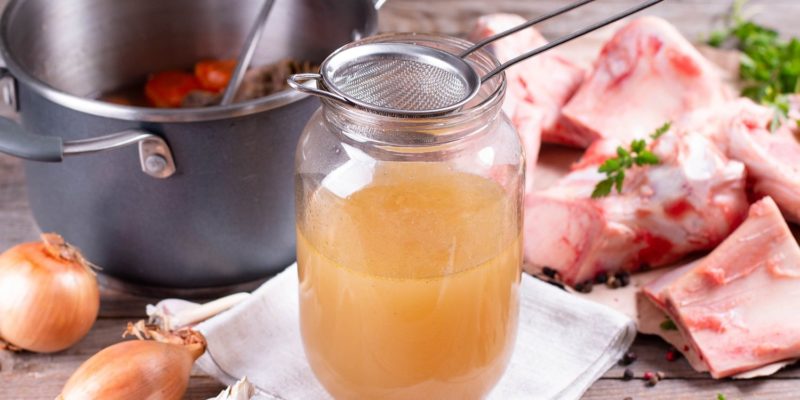
How to Make Beef Bone Broth!
Beef stock is harder to make than chicken stock, but when you reduce it down and pour over steak, the flavor is to die for!

Articles about specific foods.
Beef stock is harder to make than chicken stock, but when you reduce it down and pour over steak, the flavor is to die for!

One of the unintended consequences of the low-fat era has been to deprive us of the nutrients that support our collagen-rich tissues. Collagen supplementation is therefore not a fad, but rather a way to provide nutrients from this missing food group.
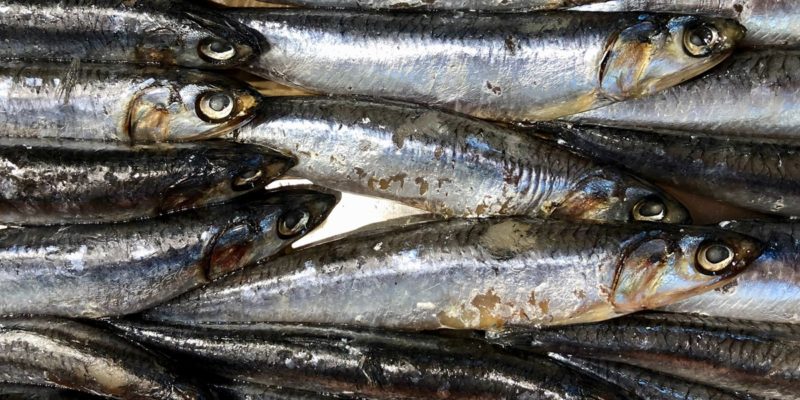
Find out what fish oil supplement companies don’t want you to know about the effects of processing on omega-3 fatty acids. Learn how to find the best fish oil.

Have you heard all the rage about bone broth? From Gwyneth Paltrow to Kobe Bryant, big-time celebs are hopping on the bone broth train. Not to mention, our guest this week helped Dwight Howard conquer sugar addiction. You’re about to learn how.
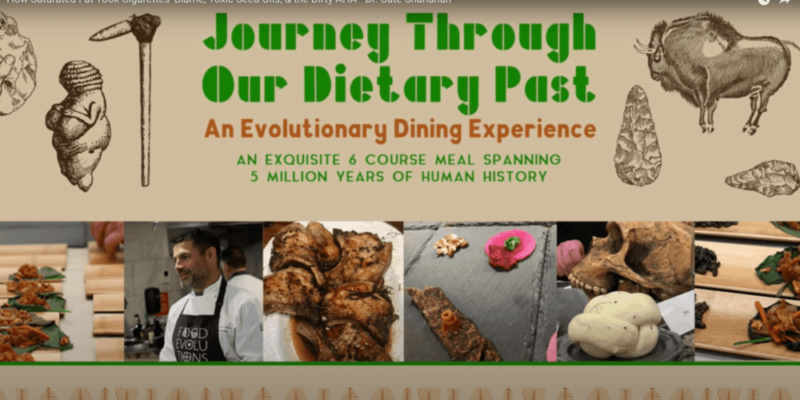
Processed food can make us fat, but it may have effects that are more profound, including the disruption of facial geometry.
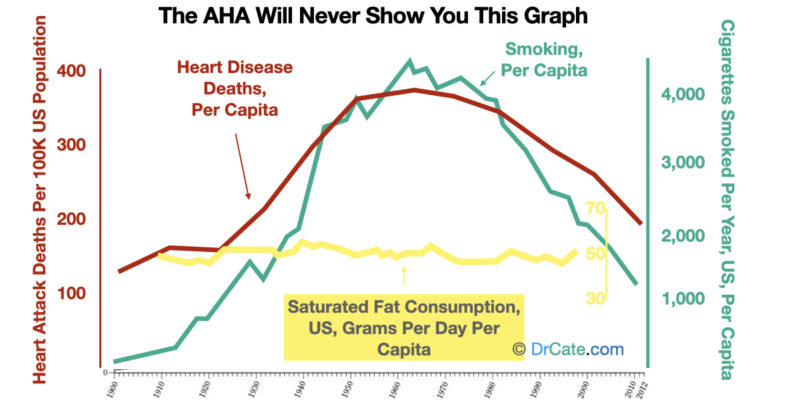
In part 3 of this series exposing the truth about cholesterol I show you the documents the American Heart Association use to trick doctors into believing there is ample evidence linking cholesterol to heart disease.

In Part 2 of this series we learn about a large human clinical trial that the American Heart Association leadership buried. This trial disproves the cholesterol theory of heart disease, shows that lower cholesterol correlates with greater death, and offers solid evidence that vegetable oils increase your risk of dying.
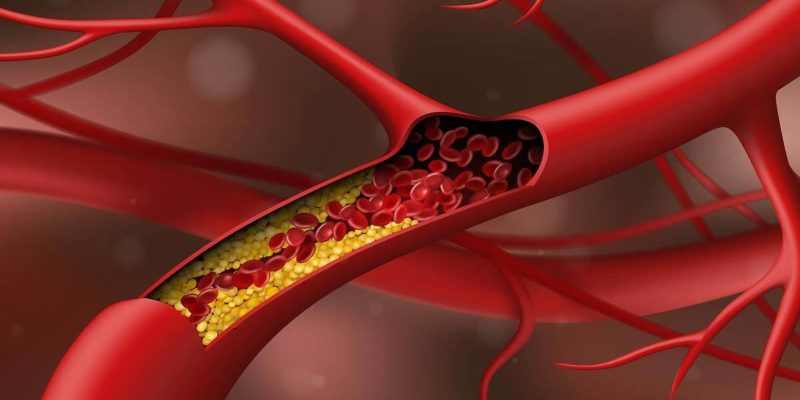
Part 1 of my 3 article series explains that cholesterol is a nutrient and not the root cause of heart disease. The root cause is a chemical process called oxidation. After all, smoking doesn’t raise cholesterol. It causes oxidation.
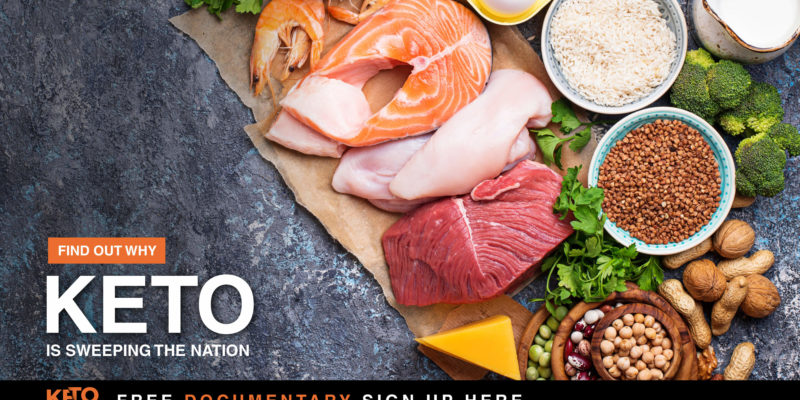
The origin of the idea that cholesterol and saturated fat cause heart attacks is bizarre. It involves a US President and a former eel physiologist who put cigarettes in the US military K-rations and got millions of WWII soldiers addicted to tobacco.
I found three websites loaded with useful, time saving ideas for making good, lower carb, high healthy fat (and keto) foods.
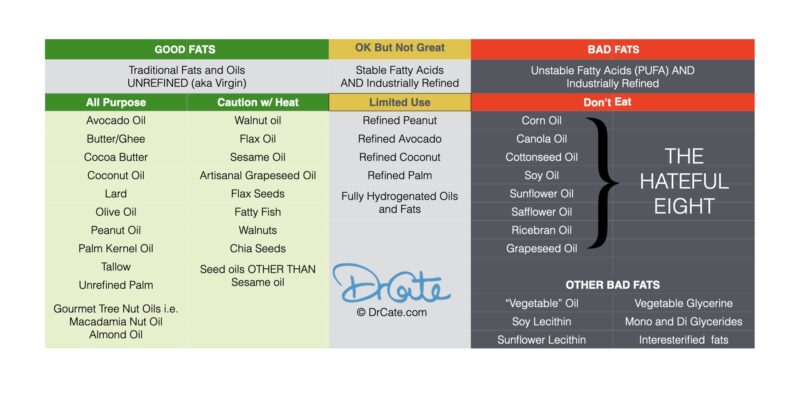
This page was created to serve as a resource listing good fats and oils versus bad fats and oils. The goal is to serve as a clearinghouse for discussions around why a given fat or oil is good or bad for human health, and to include recommendations for the healthiest cooking practices.
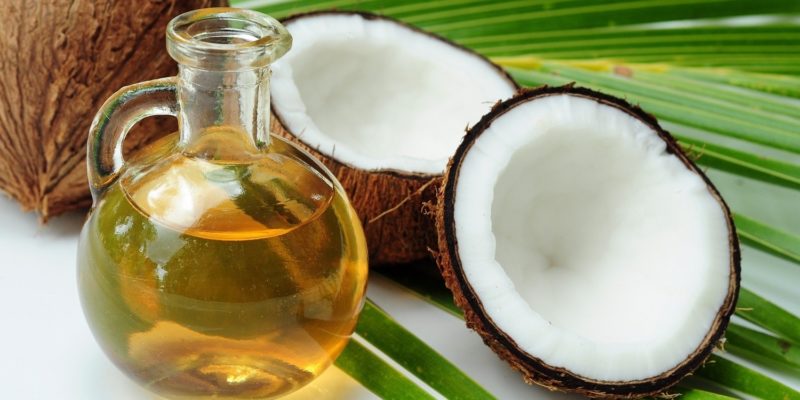
My latest post on coconut oil can help you determine if you should add coconut to you diet for weight loss, thyroid health, or other metabolism-optimizing purposes.
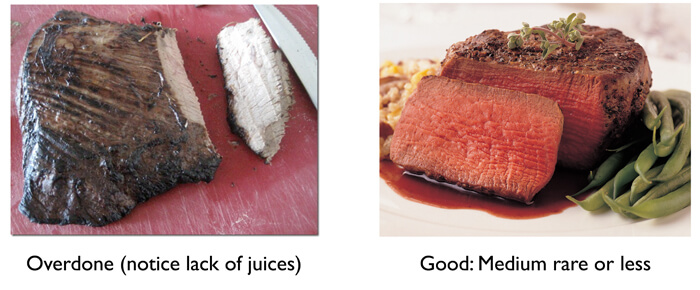
Grass fed steak is not marbled, and therefore easy to overcook which produces a gamey flavor that many people don’t like. We recommend cooking your grass fed steaks no more than medium!
Coconut oil provides lauric acid, which just may be the key that unblocks certain metabolic pathways often blocked by trans fat or excessive carb consumption
If you’re lucky enough to live in a state where raw milk is available in stores and you don’t buy it, you are passing up a huge opportunity to improve your health immediately.
Coffee: Friend or Foe? Coffee is one of the most popular breakfast items on the most popular diet (a Paleo Diet) menu. Indeed, I’ve read reports claiming that coffee has antioxidants that may prevent heart disease and other compounds that may help to prevent certain cancers. At the other end of the argument, many natural health newsletters treat coffee like it’s worse than cocaine–blaming coffee for everything from “burning out” our adrenal glands and harming our kidneys, to mood swings, fatigue, and depression. So is starting your day with coffee really going to make you “Bulletproof”? Moderation is the key. …
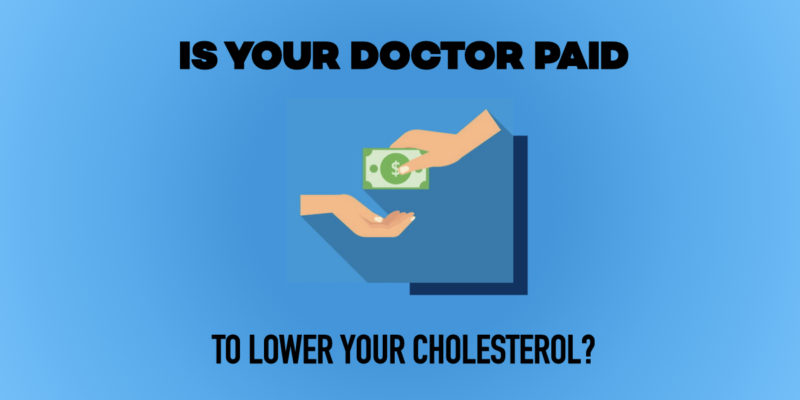
90 percent of insurance plans pay doctors to prescribe drugs to manage your health according to guidelines. Is that a good idea?
An important study was stopped early, for reasons they don’t explain. What has me worried is that the study appears to have stopped just as the death rates rose
