
Skip to content
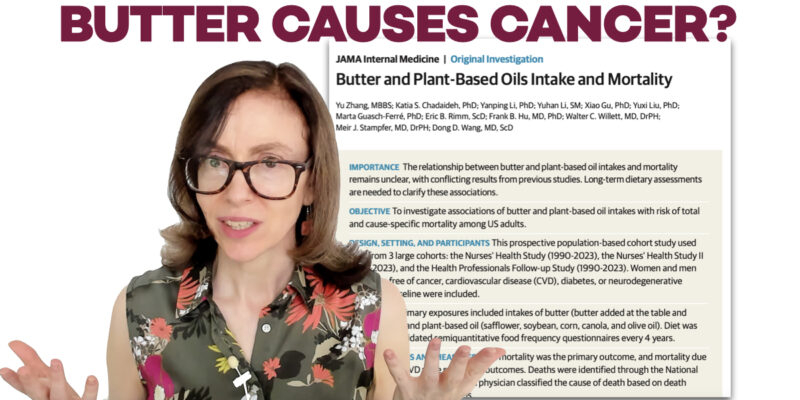
Dr Cate Incredulous In Front Of An Image Of An Abstract From JAMA With Headline
·
April 15, 2025

Did Leading Nutrition Experts Knowingly Use Fatally Skewed Data?

JAMA Internal Medicine published the first-ever study comparing butter to seed oils. But they skewed the data to the point of absurdity. Time and again, I’ve seen supposedly peer-reviewed studies making conclusions that defy common sense. Especially seed oil studies. This latest journal is one of the worst examples I’ve come across. I’m going to break down what they did and how they got away with it in this article. Their paper is especially important. It’s the first, to my knowledge, to compare seed oils head to head with butter. More than 70 years have passed since health authorities started…
Are Products With Soy Lecithin Safe To Eat? (Like Chocolate & Ice Cream)
·
February 23, 2020

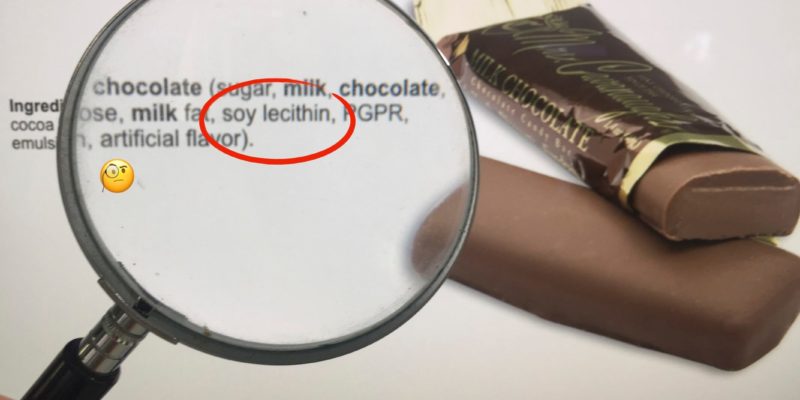
Are Products with Soy Lecithin Safe to Eat? (Like Chocolate & Ice Cream)

Page Content: What is Lecithin and why is it in so many foods? Is soy lecithin bad (high PUFA)? What about Sunflower? Everything that applies to SOY lecithin also applies to SUNFLOWER lecithin How much soy lecithin is there in chocolate, ice cream and other products? Should I avoid chocolate or other foods that contain soy lecithin? What about other problems with soy like GMOs and phytoestrogens? If you’ve been reading labels lately, you might have noticed soy lecithin showing up on the ingredients list. If you haven’t, take a look the next time you buy prepared foods like chocolate,…

·
August 11, 2010

Early Puberty: What does it mean for tomorrow’s women?

Abnormal sexual development from unclear cause, environmental changes suspected. According to a new study published in the journal Pediatrics, 1 in 10 girls in second and third grade, of Caucasian descent, showed stage 2 breast development (small mounds of tissue under the nipple area), which is considered the first sign of sexual maturation. This is an increase of two hundred percent since the 1980s. For African American girls, the increase is even more alarming, with nearly one in four 7 and 8 year-olds showing the early breast signs. The causes are unclear, but suspects include: Pthallates, compounds that make their…

Back To Top
Search