
4 Videos Explaining How Vegetable Seed Oils Rob our Energy and Cause Inflammation
Four of my best videos that explain how vegetable seed oils are the root cause behind conditions currently blamed on genetics and bad luck.


Mission: To promote consumer awareness of the evidence that PUFA overconsumption from seed oils that are wrongly promoted as healthy may be the underlying driver of most non-infectious diseases To increase health professionals' awareness of the role of high-PUFA refined oils (The Hateful Eight) in driving non-infectious disease To support businesses that avoid seed oils and offer consumers healthy fats and oils (click here for products) To support global human nutrition and health by elevating culinary skills that wean us off seed oils Basic Principles PUFA stands for polyunsaturated fatty acid. PUFAs react with oxygen and deteriorate into toxins. Saturated…


GOOD NEWS! Physical copies of Deep Nutrition and The FATBURN Fix sold out from Amazon but ebooks and audiobooks are still available. Deep Nutrition is available from BooksAMillion.com and The FATBURN Fix is available from Barnes and Noble. Food Rules is available in all formats on Amazon. This article covers Why coronavirus is "like a flu" but also worse than scientists could have predicted Why coronavirus can cause lung failure (ARDS) in seemingly healthy adults Underlying metabolic conditions predispose people to ARDS Most of these conditions are related to high-PUFA seed oil consumption How PUFAs promote ARDS Simple action points to…
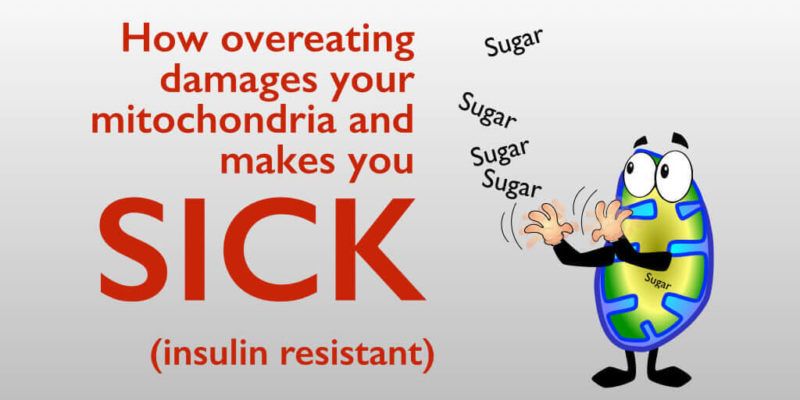




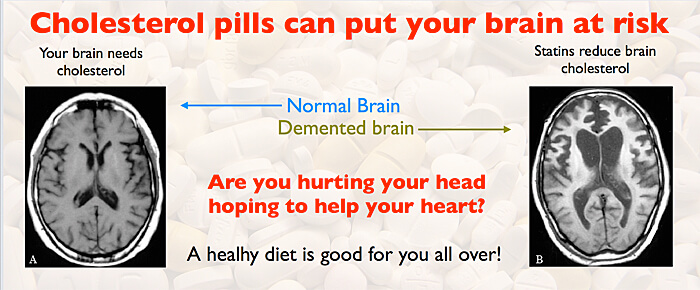
One of the most distressing things about practicing medicine these days is the blind faith that most people, doctors and patients, have in cholesterol pills like Lipitor, Crestor, Vytorin, and Zocor, just to name a few of the most popular statin drugs available today. This faith comes not from gullibility, but from carefully crafted drug company misdirection. Few realize that statins work differently than other drugs physicians prescribe for long-term use. Most drugs just block a receptor. Statins block a metabolic pathway, and this means they can alter every cell in your body in one way or another. What exactly…